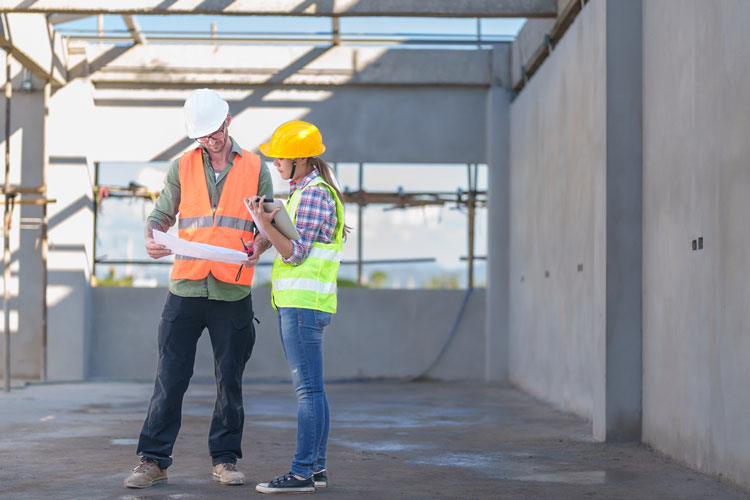
Trends In Construction

Innovative Trends in Construction: Shaping the Future

The construction industry is no stranger to transformation, and today, more than ever, modern companies are leading the charge by adopting groundbreaking practices. With the rapid integration of technology and sustainable approaches, the industry is redefining what it means to build for the future. These innovative trends in construction not only enhance efficiency but also promote eco-friendly and long-lasting developments. 1. Smart Construction Technology One of the most significant trends in construction is the use of smart technology, such as Building Information Modeling (BIM) and the Internet of Things (IoT). BIM allows for precise planning and visualization before a single brick is laid, reducing errors and saving time. IoT-enabled sensors monitor everything from temperature to structural integrity, ensuring projects stay on track and within safety parameters. These technologies allow contractors and developers to deliver exceptional results with unprecedented precision. 2. Sustainable Building Materials Sustainability has become a cornerstone of modern construction. Companies are turning to eco-friendly materials like recycled steel, cross-laminated timber (CLT), and green concrete to reduce their carbon footprint. Additionally, innovations such as self-healing concrete and bio-based insulation are paving the way for buildings that are not only environmentally conscious but also incredibly durable. 3. Modular and Prefabricated Construction Modular and prefabricated construction is another game-changer. By manufacturing building components off-site and assembling them on-site, projects can be completed faster and with less waste. This approach is particularly beneficial for large-scale developments, where speed and efficiency are crucial. Modular construction is becoming increasingly popular for residential, commercial, and even medical facilities. 4. Renewable Energy Integration The incorporation of renewable energy sources, such as solar panels and wind turbines, is becoming a standard practice in new construction. By integrating renewable energy, modern buildings are becoming more self-sufficient and energy-efficient. Companies are designing structures that not only consume less power but also contribute to the grid, aligning with global goals for a greener future. 5. Robotics and Automation Robots and drones are making their way into construction sites, revolutionizing the way tasks are performed. Drones provide aerial site surveys and inspections, while robots are taking on labor-intensive tasks like bricklaying and concrete pouring. Automation is not only increasing productivity but also addressing labor shortages in the industry. The Role of Forward-Thinking Companies As these trends in construction continue to evolve, companies like ECO Builders are at the forefront of implementing these innovations. Known for their commitment to sustainability and modern techniques, ECO Builders integrate cutting-edge solutions into every project they undertake. Their focus on efficiency, quality, and environmental consciousness exemplifies how modern construction companies are shaping the future of the industry. By embracing these advancements, ECO Builders and similar leaders in the field are ensuring that the construction industry moves toward a smarter, greener, and more efficient tomorrow. Call for a FREE estimate at 888-257-8514

Frequently Asked Questions

How does Building Information Modeling (BIM) support modern construction?

BIM enables precise planning and visualization before construction begins, which can help reduce errors and save time.

Which sustainable building materials are becoming more common?

Construction companies are using materials such as recycled steel, cross-laminated timber, green concrete, self-healing concrete, and bio-based insulation to reduce environmental impact and improve durability.

What are the benefits of modular and prefabricated construction?

Building components manufactured off-site can be assembled on-site more quickly and with less waste. This approach is used for residential, commercial, and medical facilities.

How are robotics and drones changing construction work?

Drones can support aerial site surveys and inspections, while robots can perform labor-intensive tasks such as bricklaying and concrete pouring. These technologies can increase productivity and help address labor shortages.

Tags: builders, builders florida, commercial contractors, commercial renovation, General Contractors

Related Posts

keyboard_arrow_up
Call Now Button