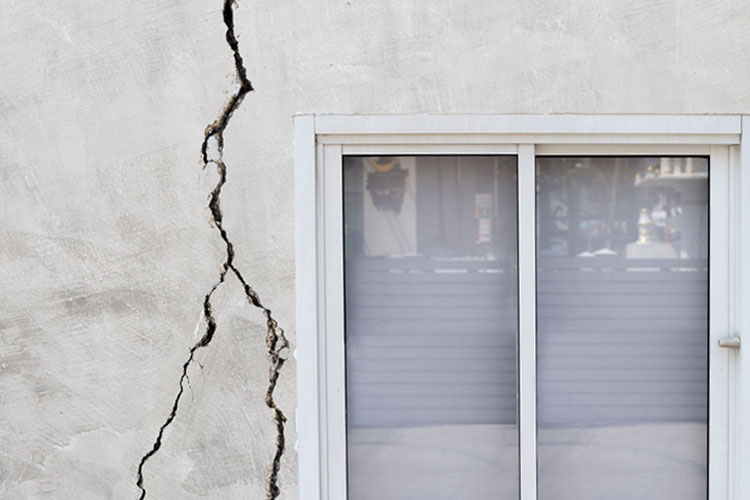
- Water Damage: When water seeps into the concrete and freezes, it expands, causing internal pressure that leads to cracking and spalling.
- Chemical Exposure: Road salts, de-icing agents, and other chemicals can react with the concrete, weakening its composition.
- Thermal Expansion and Contraction: Temperature fluctuations cause concrete to expand and contract, leading to surface cracks.
- Load Stress: Heavy traffic, structural weight, and repeated use can cause surface wear and deep cracks.
- Inspection and Assessment: Professional technicians identify the extent of the damage and any underlying structural issues.
- Surface Preparation: Damaged areas are cleaned and prepared to ensure proper adhesion of repair materials.
- Structural Repair: Cracks are filled, and steel reinforcements are repaired or replaced if needed.
- Resurfacing: A protective and durable coating is applied to restore the appearance and improve resistance to future damage.
- Sealing and Waterproofing: A high-performance sealant is applied to prevent future water infiltration and surface wear.
- Cost Savings: Repairing concrete early prevents more expensive structural issues in the future.
- Safety: Restoring damaged concrete reduces the risk of accidents from uneven surfaces or falling debris.
- Enhanced Appearance: A clean, crack-free surface improves the overall aesthetic of the property.
- Increased Longevity: Proper restoration extends the life of the concrete and improves its resistance to weather and chemicals.
Frequently Asked Questions
What is concrete restoration?
Concrete restoration is the process of assessing damaged concrete, repairing cracks and reinforcement when needed, resurfacing the area, and sealing or waterproofing it to help restore strength, appearance, and long-term performance.
What causes concrete to crack, weaken, or deteriorate?
Common causes include water freezing inside the concrete, exposure to road salts and other chemicals, temperature changes that cause expansion and contraction, and repeated load stress from traffic, structural weight, or regular use.
What does the concrete restoration process involve?
The process typically includes an inspection and assessment, surface preparation, structural repairs, resurfacing, and the application of sealants or waterproofing to reduce future water infiltration and surface wear.
How can concrete restoration extend the life of a structure?
Restoration helps prevent water infiltration, reduce future damage, protect exposed steel reinforcement from moisture-related corrosion, and improve the concrete’s resistance to weather and chemicals. Addressing damage early can also help prevent more costly structural problems.